

Key Takeaways
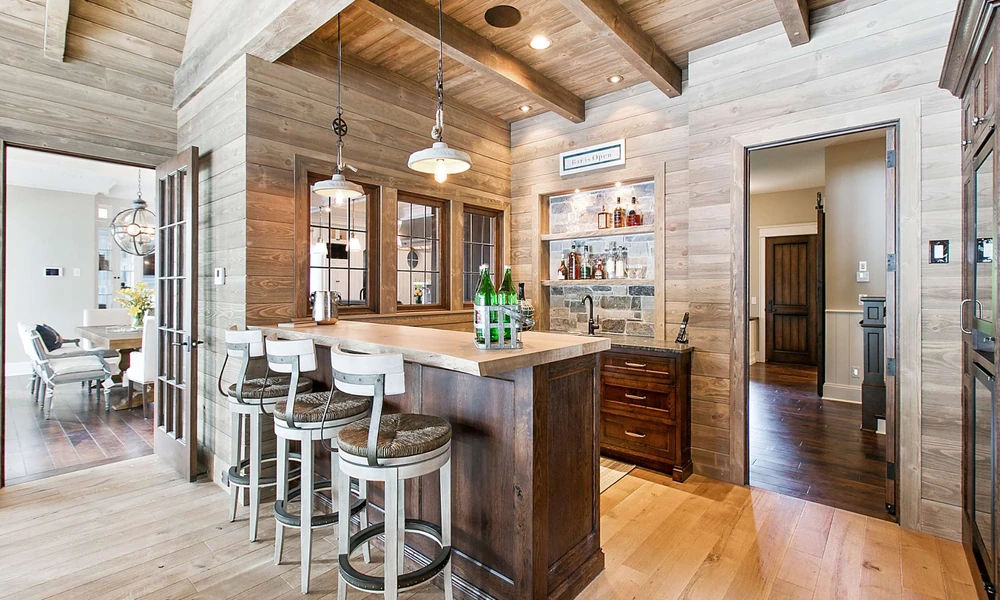
Wood bar stools can add natural warmth and functional seating to kitchens, dining areas, entertainment spaces, and home bars.
The correct stool height depends on the measured height of the counter, island, or bar. Leaving approximately 10 to 12 inches between the seat and the underside of the surface generally provides comfortable legroom.
Wood species, grain, finish, and construction all influence a stool’s appearance, maintenance needs, and suitability for everyday use.
A stool does not need to match every piece of furniture in the room. Coordinating its undertones, materials, or design details can create a more collected and balanced interior.
Sustainability claims should be evaluated carefully. Buyers can look for information about reclaimed materials, responsible sourcing, recognized certifications, and product longevity.
Backrests, footrests, seat dimensions, and cushioning can make a noticeable difference when stools will be used for meals, work, or extended conversations.
Reviewing product dimensions, care instructions, weight limits, assembly requirements, and return policies before ordering can help prevent an unsuitable purchase.
Transform Your Home with Timeless Wood Bar Stools
Discover How Style Meets Functionality
Bar stools often occupy a visually prominent part of a kitchen or entertaining space. Because they sit near an island, counter, or bar, they can influence how the entire room feels. Wood brings natural color, visible grain, and texture into these areas while providing practical seating for meals, conversation, and everyday activities.
Wooden stools are available in styles ranging from rustic and farmhouse-inspired to industrial, transitional, and contemporary. A stool with a substantial wooden seat and iron base may complement an industrial interior, while a streamlined design with simple legs can work well in a more modern setting.
The intended use should guide the selection. Backless stools can slide beneath a counter and help keep walkways open. Stools with backs may offer greater support when people remain seated for longer periods. Swivel or adjustable models can provide additional flexibility, especially in multipurpose rooms.
Homeowners comparing wood bar stools can explore World Interiors’ selection of solid-wood, wood-and-metal, leather-upholstered, and adjustable designs. Since dimensions and materials vary by model, each product description should be reviewed before making a decision.
Why Solid Wood Can Make a Difference
Solid wood is valued for its natural grain, tonal variation, and ability to develop character over time. Acacia, mango, oak, walnut, cherry, and teak each have their own color, grain pattern, hardness, and maintenance requirements.
These natural differences mean that two stools made from the same wood species may not look identical. Grain direction, knots, color variation, and other markings are normal characteristics of natural wood. For many buyers, this individuality is part of the material’s appeal.
Construction is just as important as the wood species. Buyers should examine the joints, leg structure, footrest attachment, finish, and overall stability. A well-made stool should sit evenly on the floor without excessive movement or wobbling.
Composite wood and engineered materials should not automatically be dismissed. Quality can vary across all material categories. The better choice depends on the stool’s construction, intended use, price, expected maintenance, and the manufacturer’s specifications.
Choosing the Right Wood Bar Stool for Your Interior Design
Factors to Consider: Height, Finish, and Design
Accurate measurements should come before color or style. A standard kitchen counter is commonly around 34 to 36 inches high. A seat height of approximately 24 to 27 inches is usually appropriate for this type of surface.
Bar-height surfaces are often around 40 to 42 inches high. Stools with seats approximately 28 to 30 inches from the floor are generally better suited to those surfaces. These dimensions are guidelines, so the actual counter and stool measurements should always be checked.
A useful target is approximately 10 to 12 inches between the top of the seat and the underside of the counter. This space allows many adults to sit without their legs feeling crowded. Buyers should also account for a thick countertop, decorative apron, support beam, or other feature that reduces available legroom.
Width and spacing deserve attention as well. Enough room should be provided for guests to sit down, turn, and move their arms comfortably. Stools with armrests or broad seats need more space than compact backless designs.
After confirming the dimensions, consider the finish. Light natural wood can keep a room feeling relaxed and open, while walnut-colored or darker finishes may create a richer, more grounded appearance. Distressed finishes can support a rustic look, while smoother surfaces often suit contemporary interiors.
Matching Wood Bar Stools with Existing Decor
Wood tones do not need to match perfectly. In fact, trying to reproduce an exact finish can make small differences more noticeable. A coordinated combination of complementary tones often feels more natural.
Begin by identifying the room’s dominant undertones. Some woods appear warm, with red, orange, or golden notes. Others have cooler brown, gray, or neutral undertones. Selecting stools with compatible undertones can help connect them to cabinets, flooring, tables, and nearby furniture.
- Create deliberate contrast: Dark stools can provide definition against a pale island, while lighter wood can soften a dark countertop.
- Repeat a material: An iron base can relate to black light fixtures, cabinet hardware, or metal shelving elsewhere in the room.
- Balance the texture: A visibly grained or distressed stool can add interest beside smooth stone, tile, or painted cabinetry.
Upholstery and accessories offer another opportunity to connect the stools with the room. Leather can add warmth to an industrial or traditional interior, while a woven or neutral fabric can soften the appearance of a solid-wood frame.
Before ordering several stools, compare finish samples or detailed product images under the room’s actual lighting when possible. Natural daylight, warm bulbs, and cool bulbs can make the same wood finish appear different.
The Environmental Impact of Choosing Sustainable Wood Bar Stools
Benefits of Responsibly Sourced Materials
Wood can be a renewable furniture material when forests are managed responsibly and products are designed for continued use. However, a stool should not be considered sustainable simply because it is made from wood.
Buyers can look for clear information about where the material came from and how the furniture was produced. Forest Stewardship Council certification is one recognized way to identify wood sourced through a chain of custody that follows the organization’s standards. Reclaimed wood can also reduce demand for newly harvested material, although its origin and processing should still be considered.
Product longevity is another part of the environmental picture. A stool that remains stable, useful, and repairable for years may need to be replaced less frequently. Replaceable components, durable joinery, and finishes that can be maintained can all support a longer service life.
World Interiors states that it uses sustainably sourced materials and eco-friendly finishes in its handcrafted furniture. Some stools in its current collection use solid acacia or mango wood, while certain designs incorporate reclaimed materials. Buyers should check the description for the individual product because construction varies across the collection.
Creating a Greener Home: The Role of Bar Stools
“A thoughtful furniture choice considers how a piece was made, how it will be used, and how long it can remain useful.”
Sustainable furnishing is usually the result of several practical decisions, not a single label. Material sourcing matters, but so do construction quality, transportation, maintenance, repairability, and expected product life.
- Choose for continued use: A versatile design may remain suitable even if the surrounding décor changes.
- Confirm sourcing claims: Look for specific certifications or material information instead of relying only on broad environmental language.
- Maintain the furniture properly: Following the manufacturer’s care instructions can help protect the finish and structural components.
Buying the correct height and style also reduces the chance that the stools will be replaced because they are uncomfortable or unsuitable for the room. Careful measurements and realistic consideration of daily use therefore support both practical and environmental goals.
At the end of a stool’s useful life, reusable furniture may be sold, donated, refinished, or repurposed if its condition permits. Disposal requirements vary locally, so owners should check community recycling or bulky-item programs before discarding furniture.
Maximizing Comfort: Ergonomics of Wood Bar Stools
Understanding the Importance of Seat Height and Depth
A bar stool can look attractive and still be uncomfortable. Comfort depends on the relationship among the stool, the user, and the counter where it will be placed.
Seat height is the first consideration. A stool that is too high may leave little legroom, while one that is too low can place the user in an awkward position relative to the work surface. Adjustable stools can be useful when the same seating area serves people of different heights, but buyers should verify both the minimum and maximum seat-height settings.
Seat depth and width also affect the experience. A very small seat may work for short visits but feel restrictive during a meal. A deeper seat can provide more support, although it may be less comfortable for a shorter person if the front edge presses against the back of the legs.
Footrests provide a place to support the feet when they cannot rest naturally on the floor. Their placement should allow users to bend their knees comfortably without forcing their legs into a cramped position.
Backrests can provide added support, particularly when stools are used for dining, homework, remote work, or long conversations. Backless stools may still be appropriate when saving space and maintaining clear sightlines are higher priorities.
Cushioning Options: Finding the Perfect Balance
Cushioning can soften a wooden seat and make extended sitting more comfortable. It may be built into the stool or added later with a removable cushion.
- Upholstery: Choose a fabric or leather appropriate for the amount of use, the possibility of spills, and the room’s maintenance needs.
- Proportion: A cushion should fit the seat securely without hanging over the edges or interfering with the backrest.
- Support: Padding should provide comfort while remaining firm enough to keep the user stable.
In a busy kitchen, wipeable upholstery or removable covers may be easier to maintain than delicate fabric. Households with children or pets may also want to consider stain resistance and how easily crumbs or pet hair can be removed.
Removable cushions should have ties, a nonslip backing, or another suitable method of attachment. An unsecured cushion can shift when someone sits down or gets up.
Whenever possible, test the stool before purchasing. If shopping online, study the complete dimensions and review the return policy. Product height alone does not reveal how the seat shape, backrest angle, footrest, or upholstery will feel.
Choosing a wood bar stool involves more than selecting a finish. The stool must fit the surface, provide an appropriate level of comfort, and suit the way the room is used. When height, construction, materials, and design are considered together, bar stools can become a practical and lasting part of the home.
FAQ
What types of wood are best for bar stools?
Acacia, mango, oak, walnut, cherry, and teak are among the woods used for furniture. No single species is best for every setting. Buyers should consider the wood’s appearance, construction, finish, maintenance requirements, and intended location.
How do wood bar stools compare to metal or plastic stools?
Wood often provides natural variation and visual warmth. Metal can create a slimmer industrial appearance, while molded plastic may be lightweight and easy to clean. Many stools combine wood with metal, leather, or fabric to draw on the qualities of several materials.
Can wood bar stools be used outdoors?
Only stools specifically described by the manufacturer as suitable for outdoor use should be placed outside. Indoor wood furniture may be damaged by sunlight, rain, humidity, or temperature changes. Even outdoor-rated furniture requires the recommended care and protection.
How can I maintain the finish on wood bar stools?
Dust the stool with a soft, dry cloth and clean spills promptly. Use only cleaning products approved for the specific finish. Abrasive cleaners, harsh chemicals, and excessive moisture may damage the surface. Follow the manufacturer’s care instructions for the individual model.
Are there wood bar stool options for taller counters?
Yes. Fixed bar-height and adjustable stools are available. Measure from the floor to the underside of the counter or bar, then compare that measurement with the product’s seat height. Aim for enough clearance to sit and move comfortably.
How do I choose the right cushion for my wood bar stool?
Measure the seat and choose a cushion that fits its shape without extending beyond the edges. Consider padding thickness, attachment method, fabric durability, and cleaning requirements. Remember that a thick cushion raises the effective seat height.
What is the environmental impact of choosing wooden furniture?
The impact depends on forest management, manufacturing, finishes, transportation, product longevity, and eventual disposal. Responsibly sourced or reclaimed wood and durable construction may support a more considered purchase, but environmental claims should be supported by specific information.
Can wood bar stools be customized to fit specific styles?
Customization options depend on the manufacturer or craftsperson. Possible choices may include wood species, stain color, upholstery, seat height, and metal finish. Custom products may have different prices, lead times, and return conditions, so all specifications should be confirmed before ordering.
Useful Resources
- World Interiors Before You Buy – Guides covering furniture materials, construction, wood selection, and seating height.
- Forest Stewardship Council – Information about forest-management standards and FSC certification.
- Sustainable Furnishings Council – Resources concerning environmental practices in the home-furnishings industry.
- American Hardwood Information Center – Information about American hardwood species, furniture, and wood care.
- USDA Forest Products Laboratory – Research and technical information about wood properties and forest products.
- BIFMA – Information about furniture safety, performance, sustainability, and industry standards.
- Wood Magazine – Woodworking, finishing, material, and furniture-care guidance.
- This Old House – Practical information about furniture selection, maintenance, and repair.
