
The busiest hour on an industrial site is not always the most demanding one. Sometimes electrical demand climbs before production reaches full speed. On another day the highest load may arrive late in the afternoon because several systems begin operating together. Even sites performing the same work rarely consume electricity in exactly the same pattern every day.
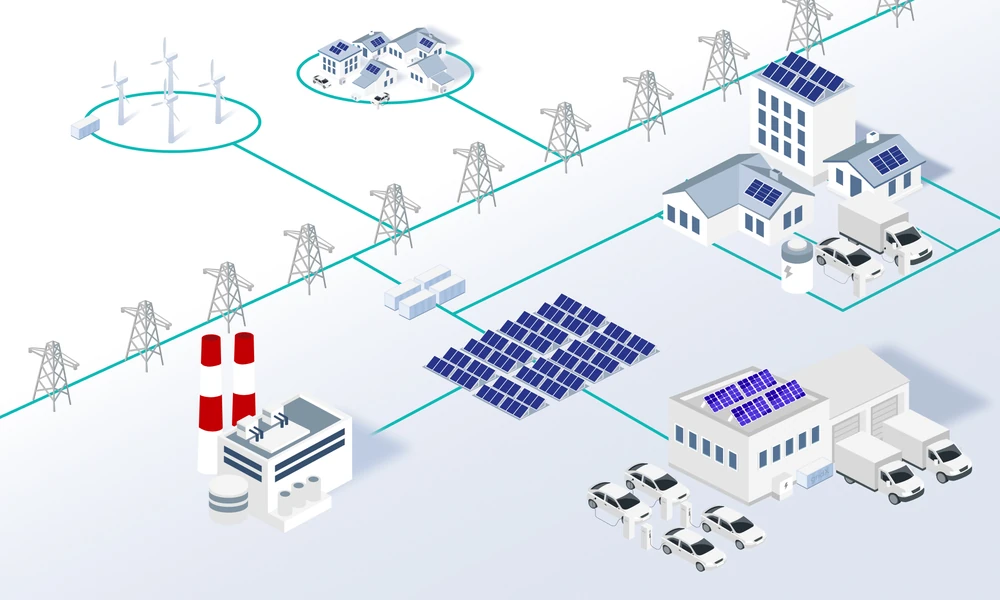
That unpredictability has become one of the reasons hybrid power generation is attracting attention across industries. Instead of relying on one technology to respond to every change, hybrid systems allow different energy sources to share the workload as operating conditions evolve. The result is not simply another way of producing electricity. It is a different way of managing it.
Understanding Flexible Generation
Power systems used to be designed around a fairly simple assumption. Demand would remain reasonably steady. Many industrial operations no longer fit that pattern.
Construction projects expand into new areas. Mining activities move between locations. Temporary processing equipment is introduced for short periods before being removed again. Manufacturing facilities schedule maintenance without bringing the entire operation to a halt.
Electricity has to follow those changes. A flexible system accepts that demand will shift instead of expecting operations to remain constant. Rather than treating every increase as a problem, it responds by allowing different energy sources to contribute when they are needed most. That makes the entire power strategy feel less rigid.
Managing Peak Demand Effectively
Peak demand often lasts far less time than people imagine. Some sites reach their highest electrical load for only a short period before activity settles back to normal. Others experience several smaller peaks throughout the day instead of one extended period.
Planning for those moments without oversizing the entire system has become an important consideration. Hybrid solutions help because energy can come from more than one source depending on what is happening at that particular time.
Generators continue providing dependable supply during heavier operating periods. Battery storage responds quickly when demand changes. Renewable energy contributes whenever conditions make it practical. The balance changes quietly in the background while operations continue. Workers rarely notice the transition.
Lowering Operational Costs
Reducing costs is usually the result of many smaller improvements rather than one significant change. Generators that spend less time operating under lighter loads may consume less fuel over the life of a project.
Maintenance schedules can become easier to manage because operating hours are shared across the wider system. Battery storage may reduce unnecessary engine running during quieter periods. Renewable energy can contribute electricity without increasing fuel consumption. None of those adjustments completely transforms operating costs on its own.
Together they often influence the overall efficiency of the project in ways that become more noticeable over longer periods. That gradual improvement is what many organisations are aiming to achieve.
Planning System Expansion
Very few projects finish exactly as they were first designed. Another work area opens. Temporary accommodation remains longer than expected. Additional equipment arrives after planning has already been completed. These changes rarely happen because someone made a mistake. They happen because projects develop.
Planning for expansion means accepting that today’s electrical demand may not represent tomorrow’s. Flexible systems are often better prepared for those adjustments because they allow additional resources to become part of the wider energy strategy instead of forcing a complete redesign.
The objective is not to predict every future change. It is to leave enough room to respond when change arrives.
Monitoring Ongoing Performance
Installing equipment is only one stage of the process. Monitoring these patterns helps operators understand how the system is responding over time.
Useful reviews often include:
- Daily demand patterns.
- Generator operating hours.
- Battery charging and discharge cycles.
- Fuel consumption trends.
- Renewable energy contribution.
- Changes in operational requirements.
The information gathered from routine monitoring often shapes future planning just as much as the original design.
Energy systems are becoming less dependent on one continuous source and more capable of balancing several technologies according to real operating conditions.
Seen over the life of a project, hybrid power generation is not defined by any single piece of equipment. Its real strength comes from allowing energy strategies to evolve alongside the operations they
