

Key Takeaways
- Custom sheet metal fabrication helps businesses create products and components that fit specific operational needs, improving functionality and reducing unnecessary adjustments.
- Precision fabrication can lower production costs by minimizing material waste, reducing rework, and improving resource utilization.
- Automation and advanced fabrication equipment can increase production speed, accuracy, and consistency while allowing employees to focus on more complex responsibilities.
- CAD software and rapid prototyping help businesses develop, test, and refine designs more efficiently before moving into full-scale production.
- Choosing durable materials and applying appropriate finishing techniques can extend product lifespan, reduce replacement costs, and improve long-term performance.
- Efficient fabrication processes can shorten production lead times, helping businesses meet customer deadlines and improve satisfaction.
- By investing in modern sheet metal fabrication, businesses can improve productivity, control costs, streamline workflows, and maintain a competitive advantage.
Reduce Costs Through Precision and Efficient Material Use
The Economic Benefits of Custom Sheet Metal Solutions
One of the most effective ways sheet metal fabrication can improve business efficiency is by helping companies control production costs. Custom fabrication allows businesses to create components specifically designed for their operational requirements instead of relying on generic products that may require modifications.
When products and components are fabricated to precise specifications, businesses can reduce unnecessary adjustments, improve product fit, and minimize production inefficiencies. This can lead to better functionality and fewer issues during assembly or installation.
Precision fabrication can also contribute to long-term savings by reducing:
- Material waste
- Labor requirements
- Rework and production errors
- Replacement costs
- Unnecessary modifications
Businesses can then redirect these savings toward growth, new product development, employee training, or other strategic investments.
Reducing Material Waste to Improve Profitability
Material waste is a common concern in manufacturing. Every unused piece of metal represents a potential cost that can negatively affect profitability.
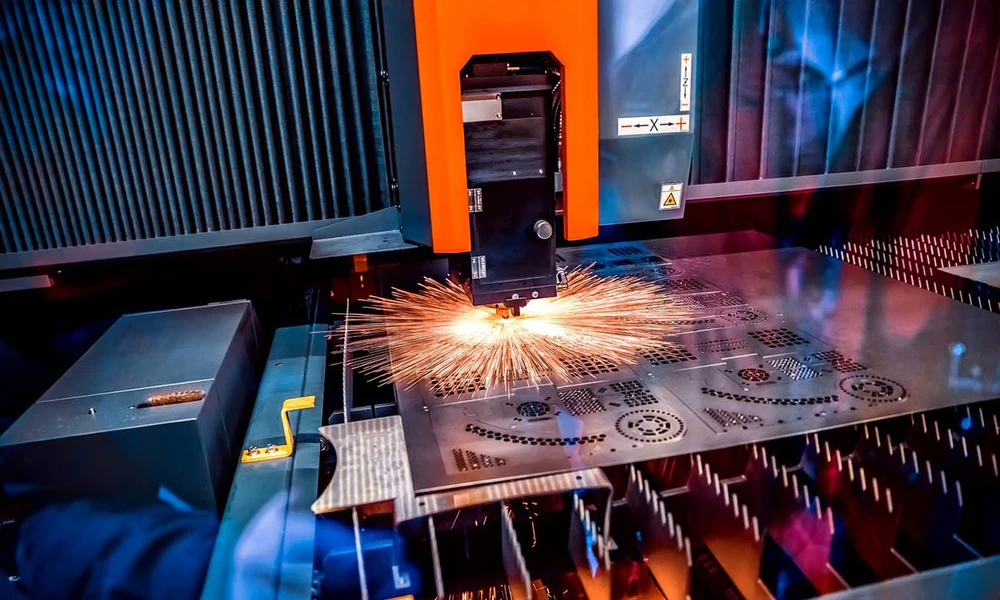
Modern fabrication techniques can help businesses maximize material usage through accurate measurements, optimized cutting patterns, and advanced CNC machinery. Techniques such as nested cutting allow manufacturers to arrange multiple components efficiently on a single sheet of metal, reducing unnecessary scrap.
Businesses can further improve efficiency by:
- Conducting regular material waste audits
- Using precise CNC cutting equipment
- Implementing lean manufacturing principles
- Recycling and reusing suitable metal scraps
- Working with suppliers that provide consistent material quality
Reducing waste helps businesses lower material expenses while supporting more sustainable production practices.
Speed Up Production With Automation and Better Workflows
Integrating Automation Into Sheet Metal Fabrication
Automation has transformed modern manufacturing by allowing businesses to complete repetitive tasks faster and more consistently. Automated cutting, bending, punching, and forming equipment can significantly improve production efficiency.
Machines can perform highly repetitive processes with a consistent level of precision, reducing the likelihood of errors and improving production output. At the same time, skilled workers can focus on quality control, equipment management, design improvements, and more complex tasks.
Key benefits of automation include:
- Faster production cycles
- Improved accuracy
- Greater consistency
- Reduced production errors
- Better use of employee skills
- Lower labor requirements for repetitive tasks
However, automation works best when combined with skilled employees. Human oversight remains important for quality assurance, troubleshooting, and making decisions that require experience and judgment.
How Faster Turnaround Times Improve Customer Satisfaction
Efficiency is not only about reducing internal costs. It also affects how quickly businesses can deliver products to their customers.
Streamlined fabrication workflows can shorten production lead times and help companies meet important deadlines. Faster turnaround times can be especially valuable in industries where customers depend on timely delivery to complete their own projects.
Businesses can improve production speed by:
- Improving production scheduling
- Monitoring projects in real time
- Reducing unnecessary workflow steps
- Improving communication between teams
- Identifying potential production bottlenecks early
When businesses consistently deliver quality products on schedule, they can build stronger customer relationships and improve their reputation for reliability.
Improve Design and Product Development Efficiency
Using CAD Software for More Flexible Designs
Computer-Aided Design, or CAD, has become an important tool in modern metal fabrication. CAD software allows engineers and designers to create detailed digital models before manufacturing begins.
This digital approach can improve efficiency by allowing teams to identify potential design issues before materials are cut or formed. Changes can also be made digitally, which is often faster and less expensive than modifying a physical prototype.
CAD technology can provide several advantages:
- Improved design accuracy
- Better visualization of finished products
- Faster design modifications
- Easier collaboration between teams
- Reduced risk of manufacturing errors
By integrating CAD into the fabrication workflow, businesses can move more efficiently from concept to production.
The Role of Prototyping in Efficient Product Development
Prototyping provides businesses with an opportunity to test a design before committing to full-scale production. This process can reveal functional problems, design weaknesses, or usability concerns early in development.
Instead of discovering these issues after manufacturing hundreds or thousands of units, businesses can make adjustments during the prototype stage.
An efficient prototyping process can help companies:
- Test product functionality
- Identify design problems early
- Gather user feedback
- Reduce costly production revisions
- Improve final product quality
The ability to refine designs before mass production can save both time and resources while helping businesses bring better products to market.
Increase Product Durability and Reduce Long-Term Costs
Choosing the Right Materials for Better Performance
The materials used in fabrication have a direct impact on product durability and performance. Selecting the appropriate metal for a specific application can help businesses create products that perform reliably under expected operating conditions.
Common materials such as steel, aluminum, and copper each have different characteristics. Factors such as strength, weight, corrosion resistance, cost, and environmental exposure should be considered when selecting materials.
Businesses should evaluate:
- Required strength and durability
- Exposure to moisture or chemicals
- Weight limitations
- Budget requirements
- Expected product lifespan
- Maintenance requirements
Choosing the right material from the beginning can help reduce premature failures and minimize the need for frequent repairs or replacements.
Finishing Techniques That Improve Longevity
Finishing processes can also contribute to product durability and performance. Depending on the application, techniques such as powder coating, anodizing, or galvanizing can provide additional protection against corrosion and environmental exposure.
A high-quality finish can also improve the appearance of fabricated products, which may be particularly important for components visible to customers.
Proper finishing can help businesses:
- Protect metal surfaces
- Reduce corrosion
- Extend product lifespan
- Improve appearance
- Reduce maintenance requirements
Investing in quality materials and appropriate finishing techniques can therefore improve efficiency over the entire product lifecycle.
Streamline Operations With Customized Fabrication Solutions
Creating Components That Fit Specific Business Needs
Every business has unique operational requirements. Standard products may not always provide the best solution for specialized applications. Custom fabrication allows businesses to create components that are designed specifically for their equipment, facilities, or production processes.
A properly designed component can improve workflow efficiency by fitting seamlessly into existing systems. This can reduce the need for modifications and minimize interruptions during installation or operation.
Custom fabrication may be useful for:
- Industrial equipment components
- Machinery enclosures
- Metal brackets and supports
- Custom panels
- Electrical and equipment housings
- Architectural metal components
- Specialized manufacturing parts
When components are designed around specific operational requirements, businesses can improve functionality while reducing unnecessary adjustments.
Improving Workflow Through Better Collaboration
Efficient fabrication also depends on communication between designers, engineers, fabricators, and customers. Clear communication helps ensure that everyone understands project specifications, deadlines, and quality requirements.
Using digital design tools and centralized project information can make collaboration easier. Teams can review designs, provide feedback, and make necessary changes before production begins.
This collaborative approach can reduce:
- Miscommunication
- Design revisions
- Production delays
- Material waste
- Unnecessary rework
By combining customized fabrication with effective project management, businesses can create smoother workflows from initial design to final production.
Building a More Efficient Business Through Sheet Metal Fabrication
Efficiency is essential for businesses that want to reduce costs, improve productivity, and remain competitive. Modern fabrication methods provide several opportunities to achieve these goals.
From reducing material waste and improving production speed to supporting innovative designs and increasing product durability, the benefits extend throughout the entire manufacturing process.
Businesses can also improve operational efficiency by using CAD technology, automation, precision equipment, and customized fabrication solutions. These tools allow companies to produce high-quality components while minimizing waste, delays, and unnecessary expenses.
Ultimately, investing in the right fabrication processes is not simply about manufacturing metal products. It is about creating a more efficient operation that can respond to customer needs, control costs, and support long-term business growth.
By leveraging professional sheet metal fabrication solutions, businesses can improve their production workflows, enhance product quality, and build a stronger foundation for continued success.
FAQ
How does sheet metal fabrication improve business efficiency?
Sheet metal fabrication can improve efficiency by reducing material waste, increasing production speed, improving design accuracy, and creating customized components that fit specific business requirements. These advantages can help businesses reduce costs and streamline their operations.
Can small businesses benefit from sheet metal fabrication?
Yes. Small businesses can benefit from custom fabrication by creating specialized products and components without relying exclusively on standardized solutions. This can help them serve niche markets, improve product quality, and differentiate themselves from competitors.
How does automation improve fabrication efficiency?
Automation allows machines to perform repetitive processes quickly and consistently. Automated cutting, bending, and forming can increase production speed, improve accuracy, and reduce errors while allowing skilled employees to focus on more complex responsibilities.
How does CAD software support sheet metal fabrication?
CAD software allows designers to create precise digital models and identify potential problems before production begins. It also makes it easier to modify designs, collaborate with other teams, and reduce costly errors during manufacturing.
Why is material selection important in metal fabrication?
The right material can improve a product’s durability, performance, and lifespan. Factors such as strength, corrosion resistance, weight, cost, and environmental conditions should be considered when selecting materials for a specific application.
How can fabrication reduce material waste?
Advanced cutting technologies, optimized layouts, precise measurements, and recycling programs can help businesses use materials more efficiently. CNC equipment and nested cutting techniques can also reduce unnecessary scrap.
Can professional fabrication help reduce production costs?
Yes. Precision fabrication can reduce costs by minimizing waste, limiting rework, improving production efficiency, and creating durable products that require fewer repairs or replacements over time.
What industries commonly use sheet metal fabrication?
Sheet metal fabrication is widely used in industries such as construction, automotive, aerospace, electronics, manufacturing, HVAC, and industrial equipment. Its flexibility allows businesses to create everything from structural components to specialized enclosures and machinery parts.
