

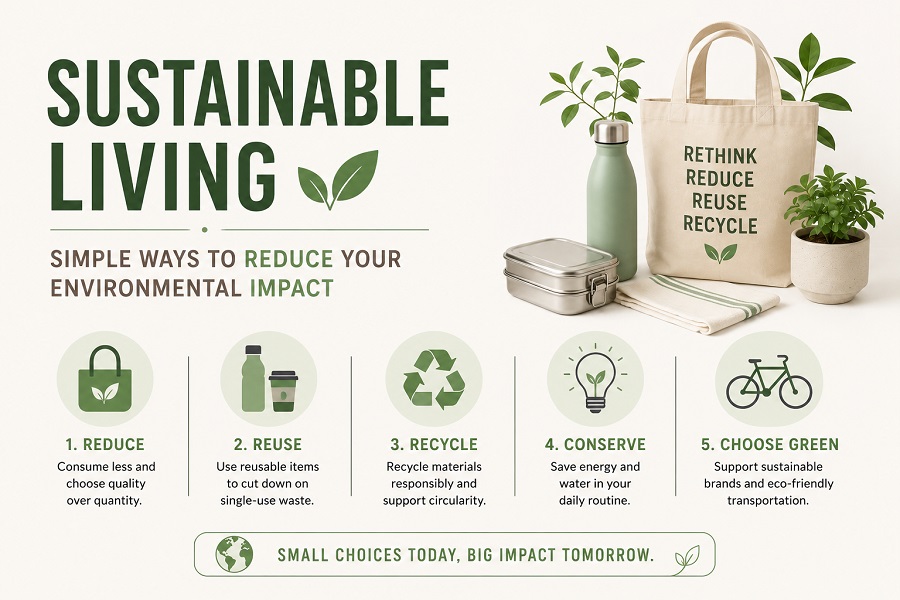
Sustainable living is becoming increasingly important as environmental challenges such as climate change, pollution, resource depletion, and biodiversity loss continue to affect communities worldwide. While governments and corporations play significant roles in environmental protection, individual actions also contribute to creating a healthier and more sustainable future.
Living sustainably does not require drastic lifestyle changes. Small daily habits, when adopted consistently, can reduce environmental impact while often saving money and improving quality of life. This guide explores practical strategies for sustainable living and how individuals can make environmentally responsible choices.
What Is Sustainable Living?
Sustainable living involves making choices that reduce the consumption of natural resources and minimize negative impacts on the environment.
The goal is to meet current needs without compromising the ability of future generations to meet their own needs.
Key principles include:
- Resource conservation
- Waste reduction
- Energy efficiency
- Environmental responsibility
- Long-term thinking
Why Sustainable Living Matters
Environmental issues affect every aspect of life.
Climate Change
Rising global temperatures contribute to:
- Extreme weather events
- Rising sea levels
- Droughts
- Flooding
Resource Depletion
Natural resources such as water, forests, and fossil fuels are finite.
Pollution
Air, water, and soil pollution impact ecosystems and human health.
Biodiversity Loss
Many plant and animal species face increasing threats due to habitat destruction and environmental changes.
Adopting sustainable practices helps address these challenges.
Benefits of Sustainable Living
Environmental Benefits
- Reduced carbon emissions
- Less waste generation
- Lower resource consumption
- Improved ecosystem protection
Financial Benefits
Many sustainable habits reduce costs through:
- Energy savings
- Lower utility bills
- Reduced consumption
Health Benefits
Sustainable choices often promote:
- Cleaner air
- Healthier diets
- Increased physical activity
Community Benefits
Sustainability strengthens local economies and improves overall quality of life.
Reducing Household Energy Consumption
Energy efficiency is one of the most effective ways to reduce environmental impact.
Switch to Energy-Efficient Lighting
LED bulbs:
- Use less electricity
- Last longer
- Reduce energy costs
Turn Off Unused Electronics
Devices continue consuming electricity even when not actively used.
Use Smart Thermostats
Smart systems optimize heating and cooling efficiency.
Improve Home Insulation
Proper insulation reduces energy waste and improves comfort.
Choose Energy-Efficient Appliances
Look for appliances designed to minimize energy consumption.
Conserving Water
Freshwater resources are limited in many regions.
Fix Leaks Promptly
Small leaks can waste significant amounts of water over time.
Install Water-Efficient Fixtures
Examples include:
- Low-flow showerheads
- Efficient faucets
- Dual-flush toilets
Use Water Wisely
Simple practices include:
- Shorter showers
- Turning off taps while brushing teeth
- Running full loads in dishwashers and washing machines
Collect Rainwater
Rainwater harvesting can reduce reliance on municipal water supplies.
Sustainable Transportation
Transportation contributes significantly to greenhouse gas emissions.
Walk When Possible
Walking reduces emissions while improving health.
Use Bicycles
Cycling offers environmental and fitness benefits.
Utilize Public Transportation
Public transit reduces individual vehicle emissions.
Carpool
Sharing rides lowers fuel consumption and transportation costs.
Consider Electric Vehicles
Electric vehicles produce fewer direct emissions than traditional gasoline-powered cars.
Reducing Waste
Waste reduction is a key component of sustainable living.
Follow the Three Rs
Reduce
Consume less whenever possible.
Reuse
Extend the lifespan of products.
Recycle
Properly recycle eligible materials.
Avoid Single-Use Plastics
Replace disposable items with reusable alternatives.
Examples include:
- Water bottles
- Shopping bags
- Food containers
Compost Organic Waste
Composting transforms food scraps into nutrient-rich soil.
Buy Durable Products
Long-lasting products reduce waste generation.
Sustainable Food Choices
Food production significantly impacts the environment.
Eat More Plant-Based Foods
Plant-based diets often require fewer resources than animal-based diets.
Support Local Farmers
Benefits include:
- Reduced transportation emissions
- Stronger local economies
- Fresher products
Minimize Food Waste
Strategies include:
- Meal planning
- Proper food storage
- Using leftovers
Choose Seasonal Produce
Seasonal foods often require fewer resources and transportation.
Eco-Friendly Shopping Habits
Consumer choices influence environmental outcomes.
Buy Only What You Need
Reducing unnecessary purchases decreases resource consumption.
Choose Sustainable Brands
Support companies committed to responsible practices.
Purchase Secondhand Items
Used products extend product lifecycles and reduce waste.
Avoid Excessive Packaging
Select products with minimal or recyclable packaging.
Sustainable Home Practices
Homes offer many opportunities for environmental improvement.
Use Natural Cleaning Products
Environmentally friendly cleaners reduce chemical pollution.
Air Dry Clothing
Reducing dryer use lowers energy consumption.
Maintain Appliances
Efficient appliances consume less energy.
Incorporate Indoor Plants
Plants may improve indoor air quality and create healthier living spaces.
Sustainable Gardening
Gardening can contribute to environmental sustainability.
Grow Your Own Food
Home gardens reduce transportation emissions associated with food distribution.
Use Native Plants
Native species often require less water and maintenance.
Avoid Harmful Chemicals
Natural gardening methods protect ecosystems.
Encourage Pollinators
Pollinator-friendly gardens support biodiversity.
Sustainable Technology Use
Technology can both help and harm sustainability efforts.
Extend Device Lifespans
Repair and maintain electronics when possible.
Recycle Electronics Responsibly
Electronic waste contains valuable materials and potentially hazardous components.
Reduce Energy Usage
Adjust settings to improve energy efficiency.
Utilize Digital Alternatives
Digital documents reduce paper consumption.
Sustainable Fashion
The fashion industry has significant environmental impacts.
Buy Quality Over Quantity
Durable clothing reduces waste.
Support Ethical Brands
Seek companies committed to sustainable production.
Donate or Recycle Clothing
Extend garment lifecycles whenever possible.
Repair Instead of Replace
Simple repairs can significantly extend product usability.
Green Building Practices
Homeowners and builders can incorporate sustainability into construction and renovation projects.
Energy-Efficient Design
Examples include:
- Natural lighting
- Efficient insulation
- Proper ventilation
Sustainable Materials
Use environmentally responsible building materials when possible.
Renewable Energy Systems
Solar panels can reduce reliance on fossil fuels.
Renewable Energy
Renewable energy sources play a major role in sustainability.
Solar Energy
Solar power offers clean electricity generation.
Wind Energy
Wind turbines provide renewable power without fuel consumption.
Hydropower
Water resources can generate electricity efficiently.
Benefits
Renewable energy:
- Reduces emissions
- Conserves resources
- Supports energy independence
Sustainable Living for Families
Families can adopt sustainability together.
Educate Children
Teach environmental responsibility through daily habits.
Create Family Goals
Examples include:
- Reducing waste
- Saving energy
- Recycling consistently
Participate in Community Activities
Environmental projects strengthen community engagement.
Workplace Sustainability
Sustainable habits extend beyond the home.
Reduce Paper Usage
Digital communication reduces waste.
Improve Energy Efficiency
Turn off equipment when not in use.
Encourage Remote Work
Remote work may reduce commuting emissions.
Promote Recycling Programs
Workplace initiatives can significantly reduce waste.
Common Myths About Sustainable Living
Myth: Sustainable Living Is Expensive
Many sustainable practices save money over time.
Myth: Individual Actions Do Not Matter
Collective small actions can produce meaningful change.
Myth: Sustainability Requires Sacrifice
Many sustainable habits improve convenience, health, and financial well-being.
Myth: Only Environmental Experts Can Make a Difference
Anyone can contribute through daily decisions.
Future Trends in Sustainability
Several emerging trends may shape the future.
Smart Homes
Technology can optimize energy and resource usage.
Circular Economy
Products are designed for reuse, repair, and recycling.
Green Transportation
Electric and alternative-fuel vehicles continue expanding.
Sustainable Agriculture
Innovative farming methods improve resource efficiency.
Renewable Energy Growth
Renewable technologies are becoming increasingly accessible.
Creating a Sustainable Lifestyle Plan
Step 1: Assess Current Habits
Identify areas where improvements are possible.
Step 2: Set Realistic Goals
Examples:
- Reduce energy consumption
- Eliminate single-use plastics
- Increase recycling
Step 3: Track Progress
Monitoring improvements helps maintain motivation.
Step 4: Continue Learning
Stay informed about environmental issues and sustainable practices.
Conclusion
Sustainable living is about making thoughtful choices that benefit both people and the planet. By reducing waste, conserving energy and water, choosing sustainable products, supporting local communities, and adopting environmentally responsible habits, individuals can significantly reduce their environmental impact.
The journey toward sustainability does not require perfection. Small, consistent actions create meaningful change over time. As more people embrace sustainable living, communities and ecosystems become healthier, stronger, and better prepared for future challenges. Every positive choice contributes to a more sustainable world for future generations.
