

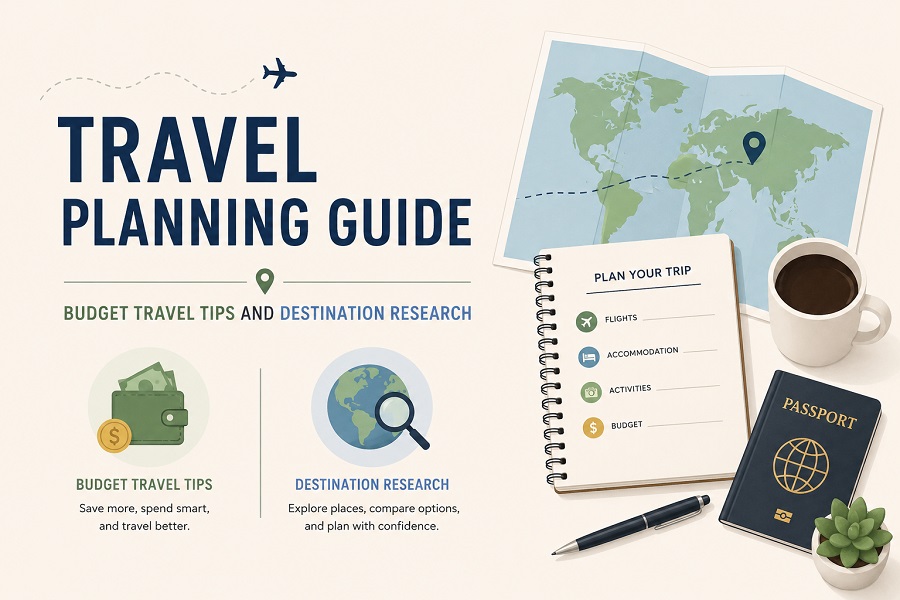
Traveling is one of the most rewarding experiences in life. Whether you want to explore new cultures, enjoy breathtaking landscapes, taste different cuisines, or simply escape daily routines, travel offers opportunities for personal growth and unforgettable memories.
However, successful travel requires proper planning. Poor preparation can lead to unnecessary expenses, stress, and missed opportunities. On the other hand, a well-organized travel plan helps maximize enjoyment while minimizing costs and potential problems.
This comprehensive travel planning guide covers everything from destination research and budgeting to accommodation, transportation, safety, and money-saving strategies.
Why Travel Planning Matters
Travel planning helps travelers:
- Save money
- Reduce stress
- Avoid common mistakes
- Improve safety
- Maximize experiences
- Use time efficiently
A little preparation before departure can significantly improve the overall travel experience.
Choosing the Right Destination
Selecting the right destination is the first step in planning a successful trip.
Consider Your Interests
Different destinations offer different experiences.
Examples include:
Adventure Travel
- Mountain trekking
- Scuba diving
- Wildlife safaris
- Hiking
Cultural Travel
- Historical sites
- Museums
- Festivals
- Local traditions
Beach Vacations
- Tropical islands
- Coastal resorts
- Water sports
City Exploration
- Architecture
- Shopping
- Food experiences
- Entertainment
Evaluate Your Budget
Some destinations are significantly more affordable than others.
Factors include:
- Accommodation costs
- Transportation expenses
- Food prices
- Activities
Researching costs in advance helps avoid surprises.
Destination Research
Thorough research improves travel decisions.
Learn About the Local Culture
Understanding local customs helps travelers:
- Show respect
- Avoid misunderstandings
- Enjoy authentic experiences
Understand Weather Conditions
Climate influences:
- Clothing choices
- Activities
- Travel timing
Review Entry Requirements
Check:
- Passport validity
- Visa requirements
- Vaccination recommendations
- Travel restrictions
Research Local Transportation
Understanding transportation options can save both time and money.
Setting a Travel Budget
Budgeting is one of the most important parts of trip planning.
Major Travel Expenses
Include:
- Flights
- Accommodation
- Food
- Transportation
- Activities
- Travel insurance
Create a Spending Plan
Divide your budget into categories.
Example:
- Flights: 40%
- Accommodation: 30%
- Food: 15%
- Activities: 10%
- Emergency fund: 5%
This approach helps control spending throughout the trip.
Finding Affordable Flights
Airfare often represents a major travel expense.
Book in Advance
Early bookings often provide better pricing.
Compare Multiple Airlines
Use flight comparison websites to identify competitive options.
Travel During Off-Peak Seasons
Lower demand often results in lower airfare.
Be Flexible
Flexible travel dates may significantly reduce costs.
Consider Nearby Airports
Alternative airports sometimes offer better deals.
Choosing Accommodation
Accommodation influences both comfort and budget.
Hotels
Advantages:
- Convenience
- Services
- Privacy
Hostels
Advantages:
- Affordability
- Social opportunities
Vacation Rentals
Advantages:
- More space
- Kitchen access
- Family-friendly options
Guesthouses
Advantages:
- Local experience
- Lower costs
Budget Accommodation Tips
- Book early
- Read reviews carefully
- Compare multiple platforms
- Consider location and transportation costs
Saving Money on Food
Food can consume a large portion of travel budgets.
Eat Like a Local
Local restaurants often provide:
- Better value
- Authentic cuisine
- Unique experiences
Visit Local Markets
Markets offer affordable meals and snacks.
Use Accommodation Kitchens
Preparing some meals can reduce costs.
Avoid Tourist Traps
Restaurants near major attractions often charge higher prices.
Transportation Tips
Transportation costs vary widely between destinations.
Public Transportation
Benefits include:
- Lower costs
- Local experiences
- Environmental advantages
Walking
Walking helps travelers:
- Save money
- Explore neighborhoods
- Improve fitness
Ride-Sharing Services
Can provide convenient alternatives to taxis.
Car Rentals
Useful for:
- Rural destinations
- Road trips
- Flexible itineraries
Compare costs carefully before renting.
Travel Insurance
Travel insurance provides financial protection against unexpected events.
Coverage May Include
- Medical emergencies
- Trip cancellations
- Lost luggage
- Travel delays
Why It Matters
Unexpected incidents can create substantial expenses.
Travel insurance helps reduce financial risk.
Packing Efficiently
Smart packing improves convenience and mobility.
Create a Packing Checklist
Include:
- Clothing
- Travel documents
- Electronics
- Medications
- Personal items
Pack Versatile Clothing
Choose items that can be mixed and matched.
Avoid Overpacking
Excess luggage increases costs and inconvenience.
Carry Important Items
Keep essential documents and valuables in carry-on luggage.
Travel Safety Tips
Safety should always be a priority.
Protect Your Documents
Make copies of:
- Passport
- Visa
- Identification
- Insurance documents
Stay Aware
Monitor surroundings and avoid risky situations.
Secure Valuables
Use:
- Hotel safes
- Anti-theft bags
- Secure pockets
Research Local Safety Conditions
Understand potential risks before arrival.
Creating an Itinerary
A flexible itinerary improves organization while maintaining spontaneity.
Prioritize Major Attractions
Identify must-see locations.
Leave Free Time
Avoid over-scheduling.
Group Nearby Activities
Reduce transportation time and expenses.
Consider Opening Hours
Verify schedules before visiting attractions.
Solo Travel Tips
Solo travel offers unique opportunities.
Benefits
- Independence
- Personal growth
- Flexible schedules
Safety Recommendations
- Share travel plans
- Stay connected
- Trust your instincts
- Research accommodations carefully
Family Travel Planning
Family trips require additional preparation.
Consider Children’s Needs
Plan for:
- Meals
- Entertainment
- Rest periods
Choose Family-Friendly Accommodations
Look for:
- Larger rooms
- Kitchen facilities
- Recreational amenities
Maintain Flexibility
Unexpected changes are common when traveling with children.
Sustainable Travel
Responsible travel helps protect destinations and communities.
Reduce Waste
Carry reusable:
- Water bottles
- Shopping bags
- Utensils
Support Local Businesses
Spend money with:
- Local restaurants
- Family-owned accommodations
- Local guides
Respect Nature
Follow environmental guidelines and avoid damaging ecosystems.
Respect Local Culture
Learn customs and traditions before arrival.
Using Technology While Traveling
Technology can improve travel experiences.
Navigation Apps
Help travelers:
- Find routes
- Locate attractions
- Avoid getting lost
Translation Apps
Assist communication in foreign languages.
Budget Tracking Apps
Monitor spending throughout the trip.
Travel Planning Tools
Organize reservations and itineraries.
Common Travel Mistakes
Overpacking
Creates unnecessary inconvenience.
Ignoring Travel Insurance
Increases financial risk.
Poor Budget Planning
May result in unexpected expenses.
Not Researching Destinations
Can lead to missed opportunities and avoidable problems.
Trying to See Everything
Quality experiences often matter more than quantity.
Digital Nomad Travel
Remote work has expanded opportunities for long-term travel.
Important Considerations
- Internet reliability
- Cost of living
- Visa requirements
- Workspace availability
Many destinations now cater specifically to remote workers.
Future Travel Trends
The travel industry continues to evolve.
Emerging Trends
- Sustainable tourism
- AI-powered travel planning
- Remote work travel
- Personalized travel experiences
- Contactless technology
Travelers who embrace these trends may enjoy greater convenience and flexibility.
Travel Planning Checklist
Before departure:
Documents
- Passport
- Visa
- Identification
- Insurance
Financial Preparation
- Budget
- Payment methods
- Emergency funds
Accommodation
- Confirm reservations
- Save contact details
Transportation
- Book flights
- Arrange transfers
Health
- Medications
- Vaccinations
- Emergency contacts
A checklist helps ensure nothing important is forgotten.
Conclusion
Travel planning is the foundation of a successful and enjoyable trip. By researching destinations, setting realistic budgets, booking wisely, prioritizing safety, and remaining flexible, travelers can create memorable experiences while avoiding common challenges.
Whether planning a weekend getaway, international vacation, family holiday, or long-term adventure, thoughtful preparation increases confidence and helps maximize every travel opportunity. With proper planning and smart decision-making, travel becomes more affordable, rewarding, and stress-free.
